
In short
Kidney stones are hard deposits of minerals that form in the kidney and can travel into the urinary tract. Common options include medicine and fluids, ESWL, URS / RIRS, PCNL; a specialist recommends the right one after tests. Across India, Jeevo Health arranges a free specialist consultation and helps with hospital choice, insurance approval and EMI.
Last updated · General information, not medical advice.
What is kidney stone treatment?
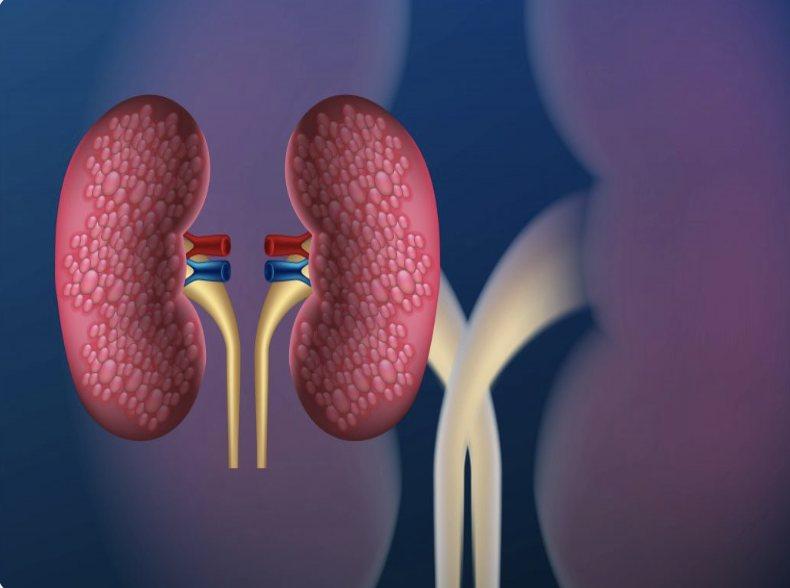
Kidney stones are hard deposits of minerals that form in the kidney and can travel into the urinary tract. Small stones may pass on their own with fluids and medicine. Larger stones, or stones causing pain, infection or blockage, are usually treated with minimally invasive methods. The right method depends on the stone’s size, type and position.
When should you see a specialist?
- Sharp pain in the side, back or lower belly that comes in waves
- Pain or burning while passing urine
- Blood in the urine, or pink or brown urine
- Nausea, vomiting or fever with the pain
Which tests are needed before treatment?
Your specialist decides which tests you need. These are the usual ones.
- Ultrasound or CT scan (KUB) to see the stone’s size and position
- Urine test for infection
- Blood tests for kidney function
What are the treatment options?
Medicine and fluids
For small stones that are likely to pass on their own.
ESWL (shock wave)
Shock waves from outside the body break the stone into small pieces that pass in the urine.
URS / RIRS
A thin scope passed through the urinary tract finds the stone and breaks it with a laser. No cuts on the skin.
PCNL
Keyhole surgery through a small cut in the back, used for large kidney stones.
Your specialist recommends the right option after your tests. We explain each one in plain words before you decide.
How do you prepare for treatment?
- Bring your scan reports and any earlier prescriptions
- Tell the doctor about blood thinners or other regular medicines
- Follow the fasting instructions you are given if a procedure is planned
What happens on the day?
- 1
Most procedures are done under anaesthesia
- 2
A small tube (stent) is sometimes placed for a few days or weeks to help urine drain
- 3
Many patients go home the same day or within a couple of days
How long does recovery take?
First few days
Some discomfort and blood-tinged urine can be normal. Drink plenty of fluids.
1–2 weeks
Follow-up visit; stent removal if one was placed.
Longer term
Diet and fluid advice to lower the chance of new stones.
Recovery differs from person to person. Follow your doctor’s advice.
How much does it cost, and does insurance cover it?
What affects the cost
- The method used (ESWL, URS/RIRS, PCNL)
- Whether a stent is placed and removed
- Hospital and room category you choose
- Surgeon and anaesthesia fees
- Tests, medicines and any extra nights in hospital
Insurance and EMI
Kidney stone treatment is commonly covered by health insurance. We check your policy and handle the cashless approval.
Ask us for an estimate for your case. We explain what is included before you decide.
What should you ask your surgeon?
Take these to your appointment, or send them to the family member going with you.
- 1Can this stone pass on its own?
- 2Which method do you recommend, and why?
- 3Will I need a stent, and for how long?
- 4How can I prevent new stones?
Kidney stone questions, answered
Do all kidney stones need surgery?
No. Small stones can pass with medicine and fluids. Your urologist decides based on your scan.
Which method will I need?
It depends on the stone’s size, type and position. Your urologist will explain the options after your scan.
When should I go to the emergency room?
Go straight to a hospital if you have severe pain with fever or chills, or you cannot pass urine.
Can stones come back?
They can. Your doctor will advise on diet and fluids to lower the chance.
Is the consultation really free?
Yes. The consultation with the specialist is free. You only pay for the treatment you choose to go ahead with.
Is Jeevo Health a hospital?
No. We are a care-coordination service. Treatment is given by registered doctors at hospitals. We help you find the right care and manage everything around it.