
In short
Piles are swollen blood vessels in and around the back passage. Common options include diet and medicine, rubber band ligation, laser treatment, stapler or open surgery; a specialist recommends the right one after tests. Across India, Jeevo Health arranges a free specialist consultation and helps with hospital choice, insurance approval and EMI.
Last updated · General information, not medical advice.
What is piles treatment?
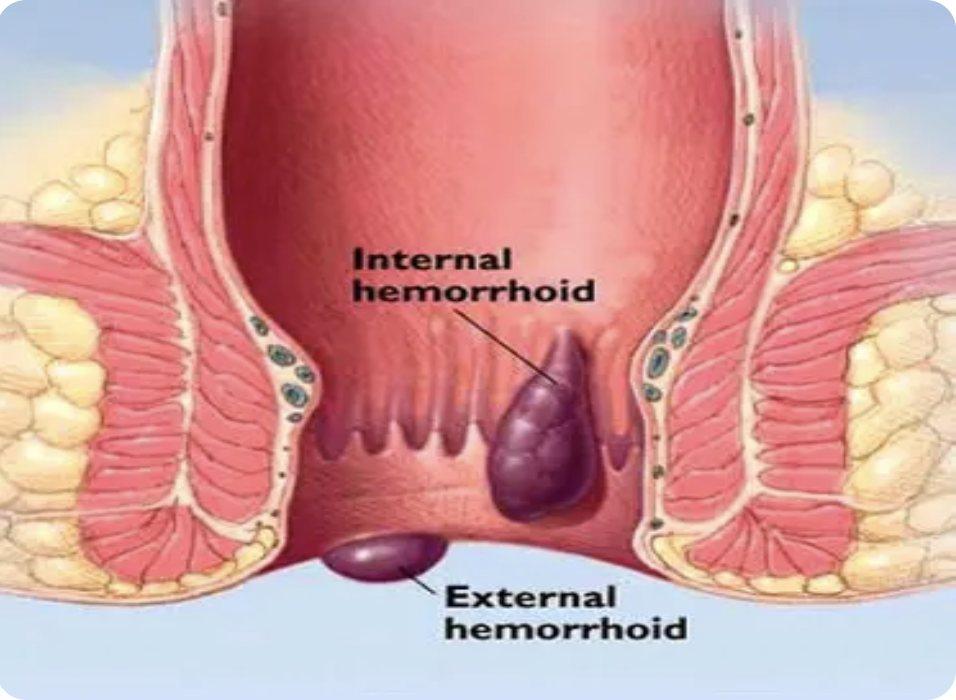
Piles are swollen blood vessels in and around the back passage. They are very common. Mild piles often improve with more fibre, fluids and medicine. If they keep coming back, bleed, hurt or come out of the back passage, a short procedure can treat them. A doctor should check any bleeding, as other conditions can cause it too.
When should you see a specialist?
- Bright red blood when passing stool
- Pain, itching or swelling around the back passage
- A lump near the anus
- Symptoms that keep coming back
Which tests are needed before treatment?
Your specialist decides which tests you need. These are the usual ones.
- Examination by a proctologist or general surgeon
- Proctoscopy (a short look inside with a small instrument)
- Sometimes a colonoscopy, depending on age and symptoms
What are the treatment options?
Diet and medicine
Fibre, fluids and medicines, often the first step for mild piles.
Rubber band ligation
A small band cuts off the blood supply so the pile shrinks. Done in clinic for some piles.
Laser treatment
A short procedure that shrinks the piles with laser energy.
Stapler or open surgery
Options for larger piles that keep coming back.
Your specialist recommends the right option after your tests. We explain each one in plain words before you decide.
How do you prepare for treatment?
- Write down your symptoms and how long you have had them
- Bring any earlier reports
- Follow fasting or bowel preparation instructions if a procedure is planned
What happens on the day?
- 1
Procedures are done under anaesthesia
- 2
Many patients go home the same day
How long does recovery take?
First week
Some discomfort is common. Fibre, fluids and warm sitz baths help, as your doctor advises.
1–2 weeks
Follow-up visit. Most people return to routine activity, depending on the procedure.
Longer term
A fibre-rich diet and good toilet habits help prevent piles coming back.
Recovery differs from person to person. Follow your doctor’s advice.
How much does it cost, and does insurance cover it?
What affects the cost
- The procedure (banding, laser, stapler, open)
- Hospital and room category you choose
- Surgeon and anaesthesia fees
- Tests, medicines and any extra nights in hospital
Insurance and EMI
Piles treatment is often covered by health insurance. We check your policy and handle the cashless approval.
Ask us for an estimate for your case. We explain what is included before you decide.
What should you ask your surgeon?
Take these to your appointment, or send them to the family member going with you.
- 1What grade are my piles?
- 2Do I need a procedure, or can diet and medicine work?
- 3How do I prevent them coming back?
Piles questions, answered
Do piles always need surgery?
No. Many cases improve with diet and medicine. A doctor decides if a procedure will help.
Is the consultation private?
Yes. Your details are only shared with the doctor and hospital treating you.
Should I worry about bleeding?
Bleeding should always be checked by a doctor, as other conditions can cause it too.
Is it covered by insurance?
Often yes. Share your policy and we will confirm.
Is the consultation really free?
Yes. The consultation with the specialist is free. You only pay for the treatment you choose to go ahead with.
Is Jeevo Health a hospital?
No. We are a care-coordination service. Treatment is given by registered doctors at hospitals. We help you find the right care and manage everything around it.