In short
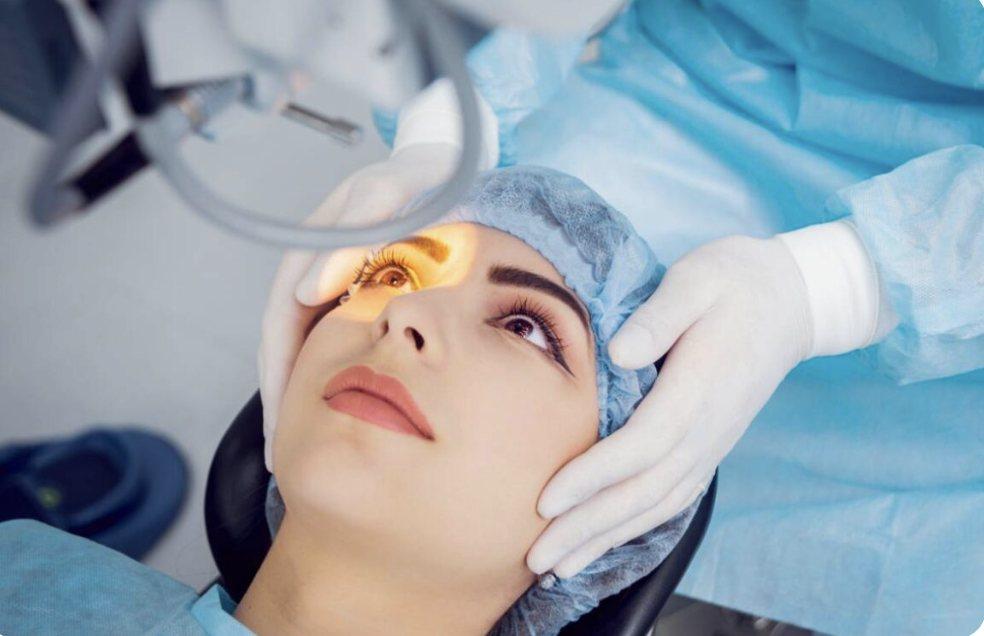
LASIK reshapes the front of the eye (the cornea) with a laser so that light focuses correctly on the retina. Common options include bladeless LASIK, SMILE, Contoura Vision, PRK, ICL; a specialist recommends the right one after tests. Across India, Jeevo Health arranges a free specialist consultation and helps with hospital choice, insurance approval and EMI.
Last updated · General information, not medical advice.
What is LASIK eye surgery?
LASIK reshapes the front of the eye (the cornea) with a laser so that light focuses correctly on the retina. It is used to correct short sight, long sight and astigmatism. Not every eye is suitable, so a detailed eye examination comes first. It decides whether you can have laser correction and which method fits your eyes.
When should you see a specialist?
- You depend on glasses or contact lenses every day
- Your eye power has been stable for about a year
- You are 18 or older
- Lenses irritate your eyes or don’t suit your work or sport
Which tests are needed before treatment?
Your specialist decides which tests you need. These are the usual ones.
- Eye power check (refraction), with and without dilating drops
- Corneal thickness and shape mapping (pachymetry and topography)
- Tear film and dry-eye check
- Retina and overall eye health examination
What are the treatment options?
Bladeless (Femto) LASIK
A laser creates the thin corneal flap and a second laser reshapes the cornea.
SMILE
A small-incision laser method with no flap, for suitable eyes and powers.
Contoura Vision
Laser treatment guided by a detailed map of your cornea’s surface.
PRK
A surface laser method with no flap, often considered for thinner corneas.
ICL (lens implant)
A lens placed inside the eye, an option when laser isn’t suitable.
Your specialist recommends the right option after your tests. We explain each one in plain words before you decide.
How do you prepare for treatment?
- Stop wearing soft contact lenses for the period your doctor advises before the eye test (often several days)
- Bring your current glasses and any previous eye reports
- Avoid eye make-up on the day of the test and the surgery
- Arrange for someone to take you home after surgery
What happens on the day?
- 1
Numbing drops are put in your eyes; you stay awake
- 2
The laser part usually takes a few minutes per eye
- 3
You rest briefly, get your eye drops and protective shields, then go home
How long does recovery take?
First day
Rest your eyes. Blurring, watering or a gritty feeling is common and usually settles.
First week
Follow-up check, eye drops as prescribed, no rubbing your eyes, no swimming.
First month
Vision continues to settle. Further follow-ups as your doctor advises.
Recovery differs from person to person. Follow your doctor’s advice.
How much does it cost, and does insurance cover it?
What affects the cost
- The laser method (Femto, SMILE, Contoura, PRK)
- Whether one or both eyes are treated
- Hospital or eye centre you choose
- Pre-surgery tests and follow-up visits
Insurance and EMI
Insurance cover for LASIK depends on your policy and eye power. We check your policy for you, and EMI options are available.
Ask us for an estimate for your case. We explain what is included before you decide.
What should you ask your surgeon?
Take these to your appointment, or send them to the family member going with you.
- 1Am I suitable for laser correction? If not, what are my options?
- 2Which method do you recommend for my eyes, and why?
- 3What results are realistic for my eye power?
- 4How many follow-up visits are included?
LASIK questions, answered
Am I suitable for LASIK?
Only a detailed eye test can tell. It looks at your eye power, corneal thickness and eye health. We arrange it with your consultation.
Does LASIK hurt?
Numbing eye drops are used, so most people feel pressure rather than pain. Your surgeon will explain what to expect.
Which LASIK type is best?
There is no single best type. Your surgeon recommends one based on your eye test results.
Is LASIK covered by insurance?
Some policies cover it above a certain eye power. Share your policy and we will check.
Is the consultation really free?
Yes. The consultation with the specialist is free. You only pay for the treatment you choose to go ahead with.
Is Jeevo Health a hospital?
No. We are a care-coordination service. Treatment is given by registered doctors at hospitals. We help you find the right care and manage everything around it.