
In short
Orthopedic surgery treats problems of the bones, joints, ligaments and muscles. Common options include knee replacement, hip replacement, ACL reconstruction, arthroscopy, fracture fixation; a specialist recommends the right one after tests. Across India, Jeevo Health arranges a free specialist consultation and helps with hospital choice, insurance approval and EMI.
Last updated · General information, not medical advice.
What is orthopedic surgery?
Orthopedic surgery treats problems of the bones, joints, ligaments and muscles. Many joint and back problems improve with physiotherapy and medicine first. When pain or damage limits daily life, surgery such as joint replacement or keyhole repair may help. An orthopedic specialist decides what is right after examining you and your scans.
When should you see a specialist?
- Knee or hip pain that limits walking, stairs or sleep
- A sports injury with the knee giving way or locking
- Pain that hasn’t improved with physiotherapy and medicine
- A fracture that needs fixing
Which tests are needed before treatment?
Your specialist decides which tests you need. These are the usual ones.
- Examination by an orthopedic specialist
- X-ray
- MRI if a ligament or soft-tissue injury is suspected
- Routine pre-surgery blood tests
What are the treatment options?
Knee replacement
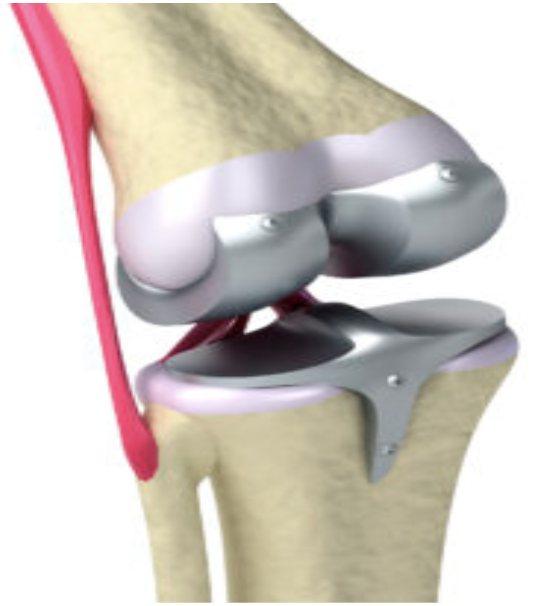
A worn knee joint is replaced with an artificial one, partly or fully.
Hip replacement
A damaged hip joint is replaced with an artificial one.
ACL reconstruction
A torn knee ligament is rebuilt with keyhole surgery.
Arthroscopy
Keyhole surgery to look inside and repair a joint.
Fracture fixation
Plates, screws or rods to hold a broken bone in place.
Your specialist recommends the right option after your tests. We explain each one in plain words before you decide.
How do you prepare for treatment?
- Bring all X-rays and MRI reports
- Prepare your home for recovery: a clear path, a firm chair
- Pre-surgery exercises if your physiotherapist advises
What happens on the day?
- 1
Surgery under anaesthesia
- 2
Hospital stay depends on the surgery, often a few days for joint replacement
How long does recovery take?
First days
Physiotherapy often starts soon after surgery, as your team advises.
First weeks
Regular physiotherapy and follow-up visits; support to walk if needed.
Months
Strength and movement keep improving with exercise.
Recovery differs from person to person. Follow your doctor’s advice.
How much does it cost, and does insurance cover it?
What affects the cost
- The procedure and implant type
- Physiotherapy after surgery
- Hospital and room category you choose
- Surgeon and anaesthesia fees
- Tests, medicines and any extra nights in hospital
Insurance and EMI
Most orthopedic surgery is covered by health insurance. We check your policy and handle the cashless approval.
Ask us for an estimate for your case. We explain what is included before you decide.
What should you ask your surgeon?
Take these to your appointment, or send them to the family member going with you.
- 1Have I tried every non-surgical option?
- 2Which implant do you recommend, and why?
- 3How long until I can walk, drive and work?
Orthopedic questions, answered
Do I need surgery for knee pain?
Not always. Many people improve with physiotherapy, weight loss and medicine. A specialist will advise.
How long does a joint replacement last?
It depends on the implant, your activity and health. Ask your surgeon what to expect in your case.
Will I need physiotherapy?
Yes, usually. It is a key part of recovery. We help you plan it.
Is it covered by insurance?
Usually yes. Share your policy and we will confirm the cover and implant limits.
Is the consultation really free?
Yes. The consultation with the specialist is free. You only pay for the treatment you choose to go ahead with.
Is Jeevo Health a hospital?
No. We are a care-coordination service. Treatment is given by registered doctors at hospitals. We help you find the right care and manage everything around it.